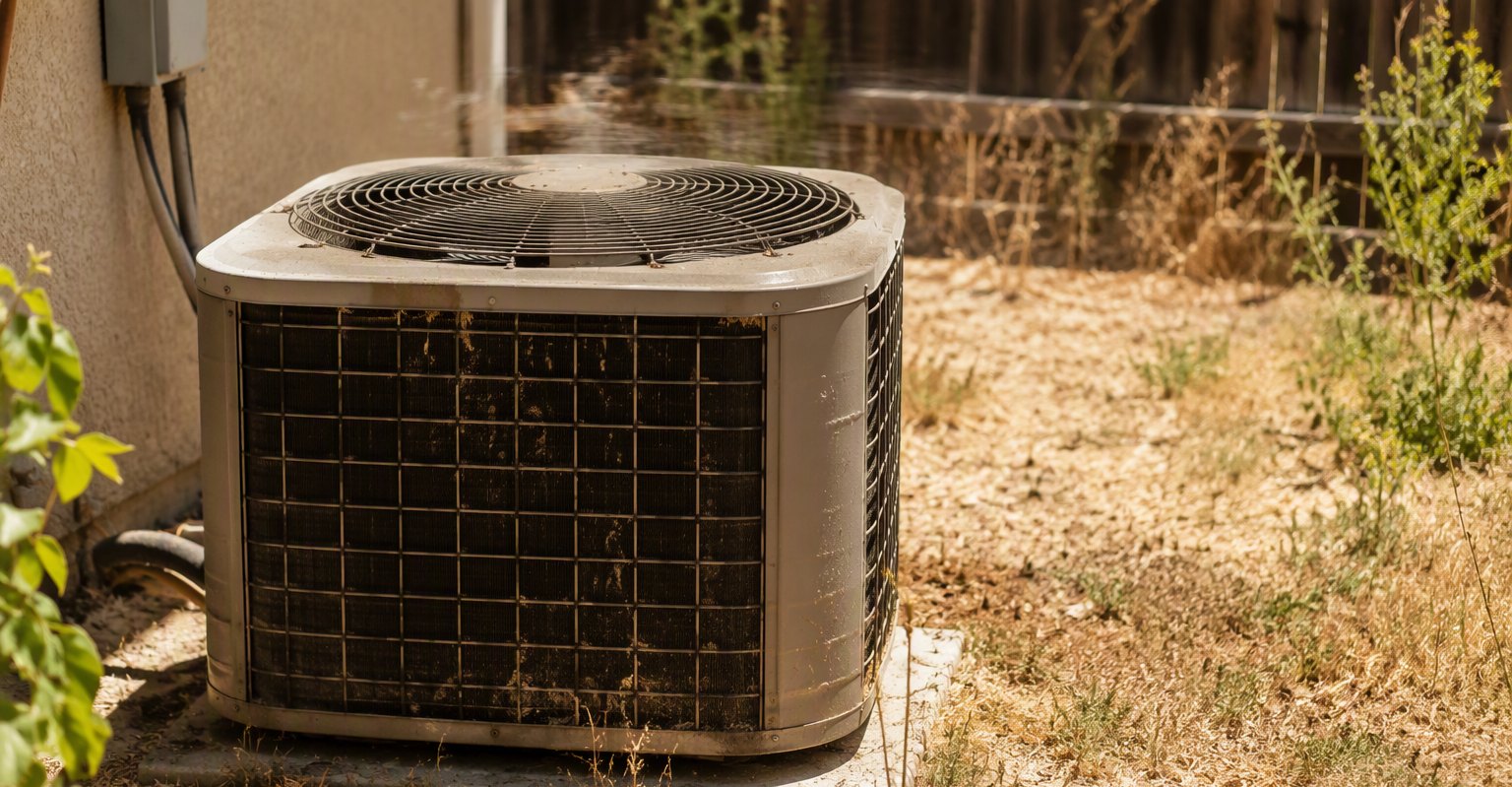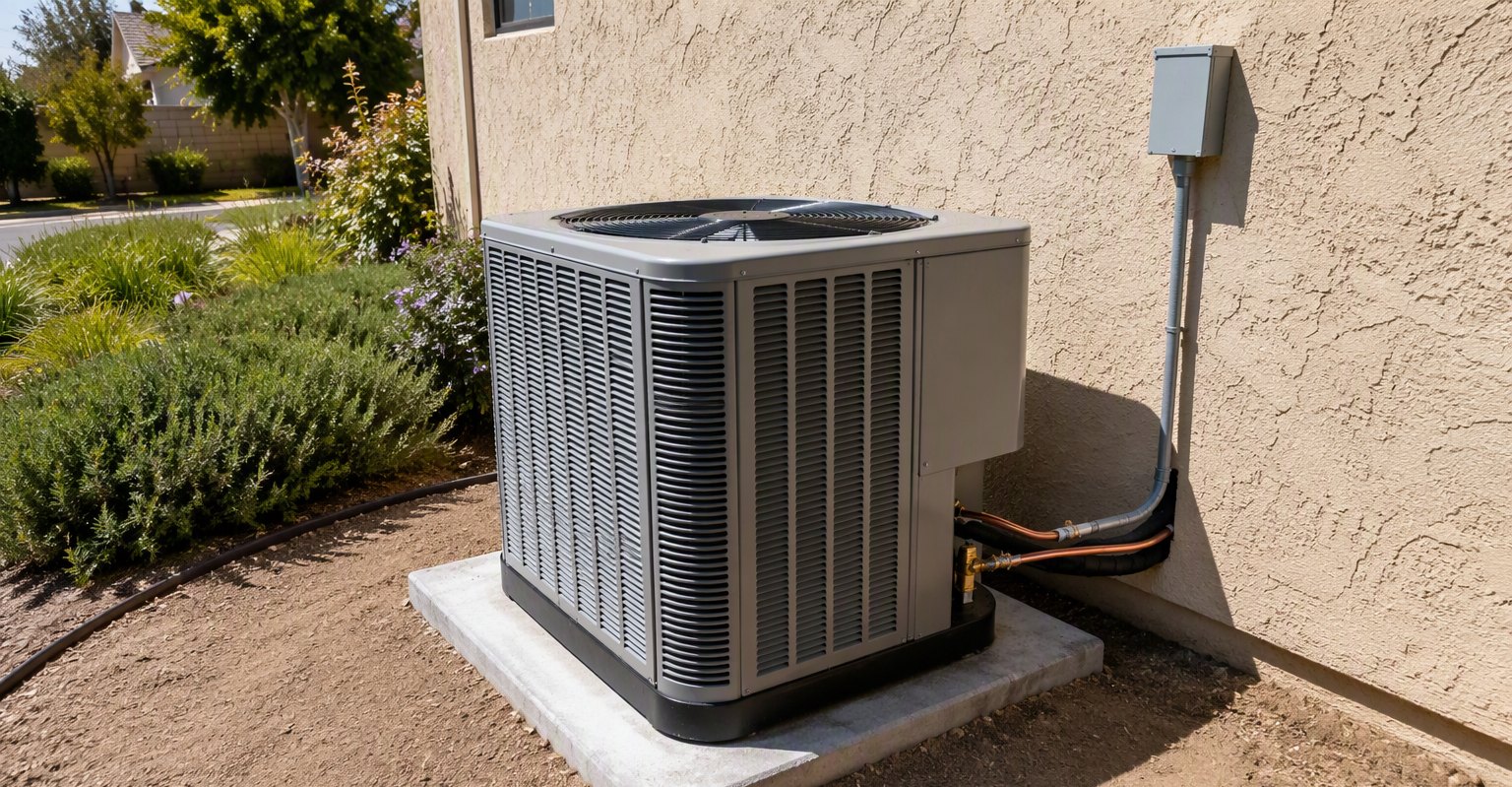
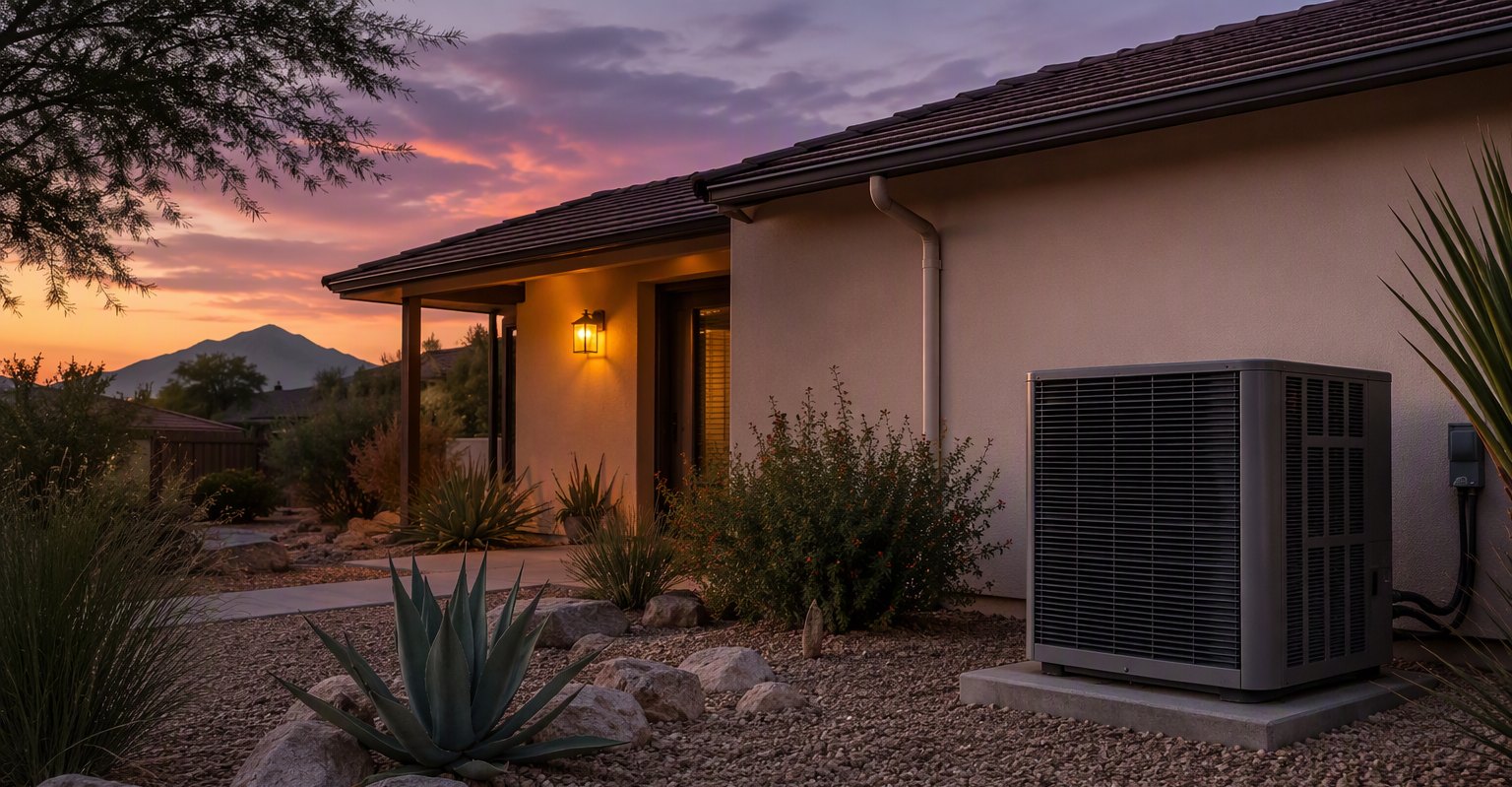
A heat pump is an air conditioner with a reversing valve. Summer: identical to a straight AC, moving heat out of the house. Winter: it runs the other way, extracting heat from outdoor air and moving it in. The technology’s one weakness — efficiency drops as outdoor temperature plunges — barely applies where January nights bottom out in the 40s. The valley’s winters live exactly in the heat pump’s sweet spot.
Where the heat pump wins
- You’re replacing both systems anyway: aging AC plus aging furnace equals two quotes — or one heat pump system doing both jobs, with one maintenance schedule and one thing to break.
- You’re all-electric or heading there: no gas service, solar panels on the house, or a panel upgrade already planned — the all-electric path is the heat pump’s home turf.
- You want the winter efficiency: in the valley’s mild heating season, a heat pump delivers warmth at two to three times the efficiency of resistance electric heat.
Where the furnace keeps its crown
- The furnace is young: a five-year-old furnace has a decade-plus left; retiring it early wastes a working asset. Pair the new AC with it and revisit at its end of life.
- Gas math favors you: with existing gas service and favorable rates, the operating-cost gap narrows — the honest quote runs your actual rates, not a slogan.
- The dual-fuel middle path: heat pump for the mild hours, furnace for the coldest snaps — both systems doing what each does most efficiently. More equipment, more upfront cost, but the comfort-and-efficiency ceiling.
The questions that actually decide it
How old are both current systems? What are your gas and electric rates? Is the electrical panel sized for the load? How much heating do you actually use — Riverside heating seasons are short, and light use changes the payback math either way. Any contractor who answers “heat pump or furnace?” without asking those four questions is reciting, not advising.
The repair-side footnote
Heat pumps add a reversing valve and defrost controls to the usual AC parts — a couple more components that can fail, and a winter behavior (the defrost steam-and-whoosh on cold mornings) that alarms new owners unnecessarily. Otherwise the maintenance and repair picture mirrors straight AC: same coils, same capacitors, same dust, same route.
Both systems aging and the question is live? Call (951) 364-5335 — the quote runs both paths with your real numbers.